
The core relationship advice for 20-year-olds is to build your own life first, treat dating as practice rather than a race to find “the one”, and choose someone heading in the same direction as you rather than someone momentarily on the same page. In the UK in 2026, apps and social media have widened the dating pool but made it harder to find the right people. Self-awareness and clear boundaries now matter more than timing or luck.
Table of Contents
- Why does dating feel harder in your 20s than it did in your teens?
- Should you look for someone on the same page as you?
- How do you know if you are in good working order for a relationship?
- What does healthy communication look like in your 20s?
- How do you avoid losing yourself in a relationship?
- What advice do people in their 20s most often ignore?
- How can UK singles in their 20s meet people in 2026?
- Key Takeaways
- References
Why does dating feel harder in your 20s than it did in your teens?
Dating feels harder in your 20s because everyone now has their own life, schedule and commitments, so meeting someone takes deliberate effort rather than happening automatically. In your teens, relationships often form through school, shared classes and the same social circles. In your 20s, those structures disappear.
The dating pool is also much bigger in your 20s, which creates choice but makes it hard to work out where to find the right people. Lucy, 24, told Teen Vogue that dating in your 20s is harder than dating in your teens because everyone has their own lives, and the bigger pool makes it difficult to know where to look.

Many people also feel societal pressure in their early 20s to find “the one”. Alessia, 26, told Teen Vogue that she felt this pressure strongly, having been raised to assume “the one” would be a man. That pressure distorts decision-making because it pushes people to settle quickly or ignore incompatibilities.
Difficulty in your 20s is normal and structural, not a personal failing. The conditions have changed, not your worth.
Should you look for someone on the same page as you?
No, you should not look for someone on the same page as you, because a page is only a moment in time. Alissa, 28, told Teen Vogue that matching current circumstances is a weak foundation, since a page represents where someone is right now rather than where they are going.
Look instead for someone heading towards the same goals you are. That means paying attention to career direction, family intentions, lifestyle preferences and attitudes to money. Two people can be on different pages today but still be moving towards a compatible future.
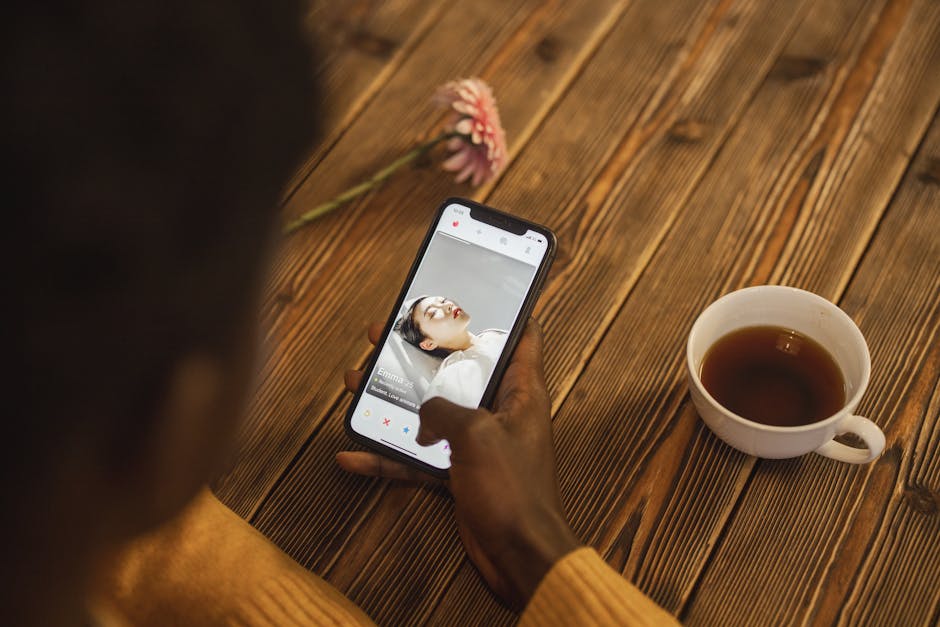
Raising these conversations early does not mean turning dating into an interview. You can ask about someone’s plans, what they want from the next few years, and how they imagine their life without making it feel like a checklist. The goal is to spot direction, not to demand certainty.
James Marx wrote that relationships people in their 20s think they need, they do not, and the ones they think they do not need, they do. That gap often comes from focusing on the wrong signals.
How do you know if you are in good working order for a relationship?
You know you are in good working order when you can manage your own life without expecting a partner to fix it. Stella J. McKenna, writing on Medium, borrows the phrase “good working order” from Dan Savage. The idea is that people need to be in reasonable shape before they can be in a healthy relationship.
Unresolved issues that undermine relationships include mental health problems, drug problems, financial problems, and a lack of boundaries or self-control. These are not moral failings, but they do affect how someone shows up in a partnership.
McKenna states clearly that it is not your job to fix anyone except yourself. That applies in both directions: you cannot repair a partner, and a partner cannot repair you.
Assessing your own readiness honestly does not mean waiting until you feel perfect. It means asking whether you can communicate, manage conflict, and maintain your own life while sharing it with someone else.
What does healthy communication look like in your 20s?
Healthy communication in your 20s means saying what you want, asking what the other person wants, and not expecting anyone to guess. Stella J. McKenna advises on Medium telling a partner what you like in bed and asking them what they like. That directness applies far beyond sex.
State boundaries early and revisit them as things change. A boundary that made sense at the start of a relationship may not fit six months later, and silence about that shift creates resentment.
Disagreements should not escalate into personal attacks. Explain the issue, listen to the other side, and avoid punishing someone for not reading your mind. Silence and guessing damage new relationships because they replace information with assumption.
Rodrigo, 23, told Teen Vogue that love is hard work and dating is hard work, requiring dedication, self-reflection and patience. Communication is where most of that work happens.
How do you avoid losing yourself in a relationship?
You avoid losing yourself by keeping your friendships, hobbies, career and finances independent from the start. Keya, 28, told Teen Vogue that she fell in love in her mid-20s, lost herself with that person, and became single in her late 20s. Her dating life is now on pause while she focuses on loving herself first.
Pausing dating to focus on yourself is a valid and often productive choice. It is not a failure to be single, and it is not a sign that you are broken. It can be the fastest way to understand what you actually want.
Practical ways to stay separate include maintaining your own social plans, continuing hobbies that do not involve your partner, and keeping control of your own money. These are not barriers to intimacy; they are the structure that lets intimacy survive.
Warning signs of merging your identity entirely with a partner include dropping friends, abandoning interests, and making every decision as a unit. If you cannot describe your life without mentioning the other person, the balance has tipped.
What advice do people in their 20s most often ignore?
People in their 20s most often ignore sound advice because it feels like it does not apply to them. James Marx wrote that he refused to pay attention to good advice in his twenties because he felt it was meant for other people. That feeling is common, but it is rarely accurate.
There is also a mismatch between the relationships you think you need and the ones you actually need. Many 20-year-olds chase excitement, status or a specific image of a partner, while ignoring people who offer stability, respect and genuine compatibility.
The grand-plan trap makes this worse. Marx wrote that his plan in his twenties was to become “the world dominant force” he believed to be his destiny. That mindset makes ordinary good relationships feel insufficient, even when they are exactly what would help.
Test advice against your behaviour rather than your self-image. If you say you want a healthy relationship but keep choosing unavailable people, the advice applies to you.
How can UK singles in their 20s meet people in 2026?
UK singles in their 20s can meet people through a mix of apps, shared-interest clubs and societies, work and study networks, and in-person events. The pool is bigger than ever, but knowing where to find the right people is the real problem. Teen Vogue highlights that the difficulty is not a lack of options but a lack of clarity about where to look.
Apps are useful for volume, but volume is not the same as compatibility. Filter for shared values and direction rather than swiping on appearance alone. App fatigue is common in 2026, so it helps to combine digital dating with offline activities.
Shared-interest clubs and societies work because they put you in a room with people who already share something you care about. Work and study networks offer the same advantage, though they require more care around boundaries.
You might also find these guides helpful: what relationship advice actually helps couples stay together, what relationship advice actually helps single ladies in 2026 and relationship tips.
Singles Warehouse is a UK-focused option for meeting people who are looking for something real rather than endless casual matches. A platform with a clear purpose can reduce the noise that makes dating in your 20s feel overwhelming.
Key Takeaways
- Dating in your 20s is harder than in your teens mainly because everyone now has their own separate life and commitments.
- The dating pool is bigger in your 20s, but finding the right people in it is the hard part.
- Do not look for someone on the same page as you; look for someone heading towards the same goals.
- You need to be in good working order before a healthy relationship, and it is not your job to fix anyone except yourself.
- Tell your partner what you like in bed and ask them what they like.
- Love and dating are hard work that require dedication, self-reflection and patience.
- Sound advice often gets ignored in your 20s because it feels like it does not apply to you.
References
- Here’s what 20 twentysomethings said about dating in their 20s
- The Greatest Advice I Can Give to a Woman in Her 20’s Right Now
- What is the best relationship advice for a 20-year-old student?
- Singles Warehouse
For more dating advice and support, please get in touch.