
Recent Posts


No, dating and being in a relationship are not the same thing. The difference is a shift in commitment and emotional bonding rather than a change in label. Dating is a period of getting to know each other while still self-protecting. Being in a relationship means crossing into being each other’s primary emotional bonding partner. This article is published by Singles Warehouse.
Table of Contents
- What is the difference between dating and being in a relationship?
- Is dating the same as being in a relationship, or is it a stage that comes first?
- How do you know when dating has turned into a relationship?
- How long does it take to go from dating to a relationship?
- Can you be exclusive and still just be dating?
- Why do fights suddenly get bigger once you are in a relationship?
- What is the difference between a situationship and a relationship?
- How do you start the conversation about becoming official?
- Key Takeaways
- References
What is the difference between dating and being in a relationship?
Dating is a period of getting to know each other, often described as “auditioning” each other while still self-protecting. According to Empathi, dating involves assessing compatibility without fully lowering your guard. You are evaluating whether this person fits your life before committing emotionally.
Being in a relationship means crossing into being each other’s primary emotional bonding partner. The shift is described as biological, occurring in the nervous system before the mind catches up. Empathi explains that this transition changes how two people regulate each other’s emotions and sense of safety.
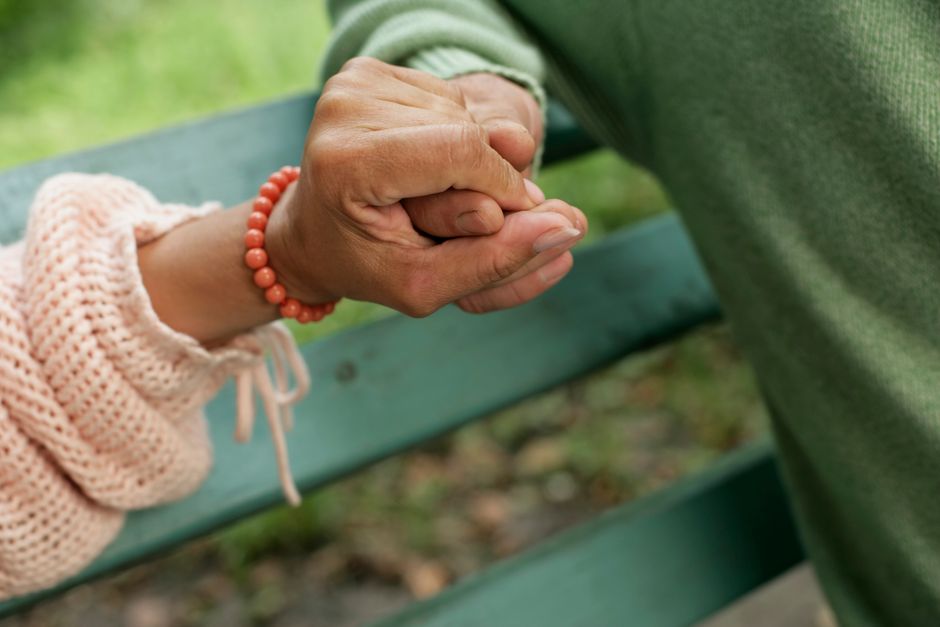
The main practical difference comes down to the word “commitment”. One Quora answer uses a shopping analogy: browsing shirts is like dating, while paying for a shirt is like making a commitment. Dating is browsing. A relationship is choosing.
Cultural rituals such as exclusivity talks, social media posts and meeting parents can happen without the underlying shift having taken place. Empathi notes that these rituals are not proof that two people have actually crossed into a bonded relationship. Labels can exist without the emotional reality.
Bumble adds that there is no universal definition, but the distinction still matters. Dating tends to be more open-ended. A relationship carries mutual expectations, priority and a shared understanding of where things are heading.
Is dating the same as being in a relationship, or is it a stage that comes first?
Dating and a relationship sit on the same timeline but are not interchangeable stages. Dating typically comes first. It is open-ended and low-commitment, while a relationship carries mutual expectations and priority. Bumble describes dating as a period of getting to know someone without the full weight of a defined partnership.
Some couples move from dating to a relationship quickly. Others linger in the middle ground for months. Empathi explains that the underlying shift can happen at different speeds for each person, which is why one partner may feel ready before the other.
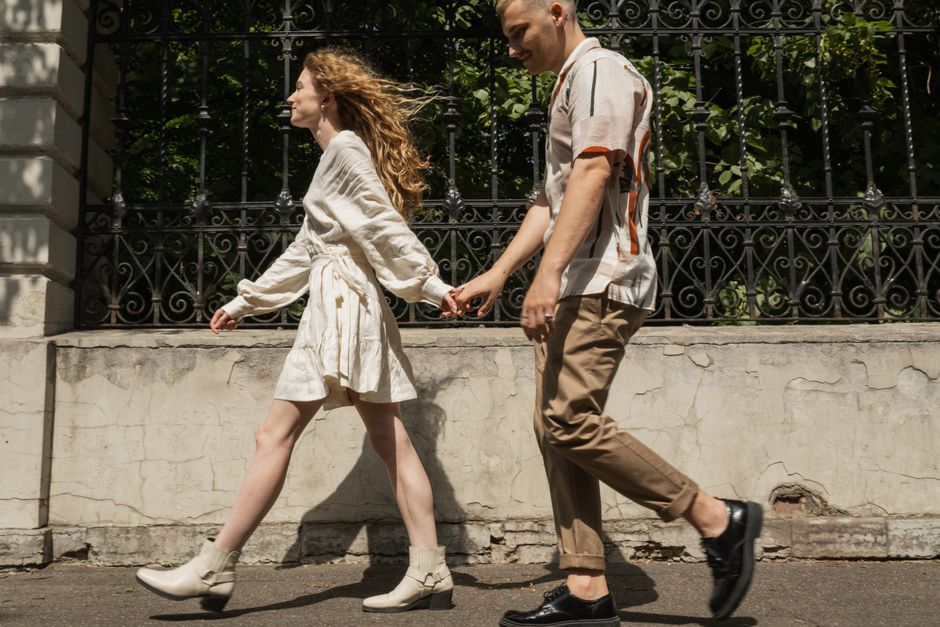
The distinction matters because mismatched expectations are a common source of confusion. One person may believe they are in a relationship while the other still considers the situation casual dating. Quora answers highlight commitment as the dividing line, but people often avoid naming it.
Dating is a stage that can lead to a relationship, but it is not the same as being in one. The transition depends on mutual recognition, not just time spent together. Without that recognition, two people can date for a long time without ever becoming a couple.
How do you know when dating has turned into a relationship?
Signs include spending a lot of time together, talking daily and not seeing or messaging anyone else. Bumble lists these as indicators that a relationship may be forming. They suggest a level of consistency and priority that goes beyond casual dating.
Being included in each other’s plans and social lives is another strong indicator. Using “we” instead of “I” also signals a shift. Bumble notes that these language and lifestyle changes often happen before an official conversation takes place.
Physical affection in public and meeting each other’s friends or family often signal a shift. These behaviours show that both people are comfortable being seen as a unit. They are not proof of commitment, but they are common markers of readiness.
The nervous-system shift can happen before the mind catches up, so feelings may lead the label. Empathi explains that people sometimes feel bonded before they have words for it. The body registers safety and attachment before the conscious mind names the relationship.
How long does it take to go from dating to a relationship?
There is no universal timeline. Some couples make it official after a few weeks, while others follow the “three month rule” before defining the relationship. Bumble states that both paths are valid and that the right timing depends on the individuals involved.
Bumble’s 2025 dating trends report found that 59% of women respondents place more value on stability, according to Bumble. This suggests that many daters are thinking more deliberately about when and how they commit. Stability has become a higher priority than casual novelty for a significant share of women.
85% of Bumble members surveyed are looking for commitment, whether marriage or a partner, according to Bumble. This does not mean everyone moves at the same pace. It does mean that most people on the platform are open to a relationship eventually.
The timeline matters less than the quality of the connection. Some people need months to feel safe. Others know within weeks. What matters is that both people eventually agree on what the relationship is.
Can you be exclusive and still just be dating?
Yes, exclusivity is a behaviour, while being in a relationship is a mutual agreement about status. Couples can agree to see only each other without calling themselves boyfriend, girlfriend or partners. Bumble acknowledges that exclusivity and labels do not always arrive at the same time.
The exclusivity conversation is a cultural ritual that can occur without the deeper bond forming. Empathi explains that agreeing not to see other people does not automatically mean two people have become each other’s primary emotional bonding partner. The behaviour can exist without the emotional shift.
Without a shared definition, one person may feel in a relationship while the other feels they are dating. This gap is common and often goes unspoken. Two people can be exclusive for months and still have very different internal understandings of what they are doing.
The solution is not to assume. It is to ask directly what exclusivity means to the other person. A clear conversation about status prevents the confusion that comes from matching behaviours without matching definitions.
Why do fights suddenly get bigger once you are in a relationship?
Once you become each other’s primary emotional bonding partner, stakes and vulnerability rise. Empathi explains that the nervous system now treats the other person as a source of regulation and safety. When that person is the source of distress, the body reacts more strongly.
Dating involves self-protection. A relationship removes some of that buffer. During dating, you can walk away more easily because the emotional investment is lower. In a relationship, the same disagreement touches deeper attachment needs rather than surface-level compatibility.
Recognising this can reframe conflict as a sign of investment rather than a warning sign. Empathi suggests that bigger fights often mean the bond has deepened. The intensity is not necessarily a sign that the relationship is failing.
Understanding the biological shift helps couples respond differently. Instead of panicking when conflict escalates, partners can recognise that the stakes have changed. That awareness can reduce the fear that bigger arguments mean the relationship is wrong.
What is the difference between a situationship and a relationship?
A situationship sits between dating and a relationship, with no agreed commitment or label. People can stay in the talking stage or a situationship indefinitely when neither party defines things. Empathi notes that some people remain in this undefined space for long periods because naming the relationship feels risky.
A relationship involves mutual recognition and priority. A situationship often avoids both. Quora answers describe commitment as the key ingredient that separates a relationship from something less defined. Without commitment, the situation remains ambiguous.
Naming what you want is the clearest way to move out of an undefined situation. Bumble suggests having a direct conversation about feelings and expectations. That conversation can feel uncomfortable, but it is the only reliable way to know where you stand.
A situationship can look like a relationship from the outside. The difference is internal: both people have not agreed on what they are to each other. That lack of agreement is what keeps the situation undefined.
How do you start the conversation about becoming official?
Bumble suggests openers such as “I’ve been really enjoying this. I’m curious how you’re feeling about us.” According to Bumble, this phrasing invites the other person to share first, which keeps the conversation mutual rather than one-sided.
Choose a calm moment rather than raising it mid-argument or over text. The conversation deserves a setting where both people can be present. A rushed or tense moment makes it harder to hear each other clearly.
Ask about feelings first, then share your own. This order prevents the other person from simply mirroring what you said. It also gives you information about where they genuinely stand before you reveal your position.
You might also find these guides helpful: how to stop being anxious dating, is seeing someone the same as dating someone and do dating services actually work for finding a relationship.
If you are still weighing up what you want, Singles Warehouse offers dating profiles and tools that can help you meet people at a similar stage. The platform is designed for UK singles who are thinking seriously about connection and compatibility.
Key Takeaways
- Dating and being in a relationship are not the same thing; the difference is commitment, not vocabulary.
- Dating is a period of getting to know each other while self-protecting; a relationship means becoming each other’s primary emotional bonding partner.
- The exclusivity conversation, a social media post and meeting parents can all happen without the underlying bond having formed.
- Bumble’s 2025 trends report found 59% of women respondents place more value on stability, and 85% of members surveyed want commitment.
- There is no universal timeline for going official; some couples decide within weeks, others follow the three month rule.
- Signs of readiness include daily contact, exclusivity, shared plans, public affection and using “we” instead of “I”.
- A situationship sits between dating and a relationship because neither person has defined the commitment.
References
- Difference Between Dating and Being in a Relationship: The Shift That Actually Matters
- Are We Official? How to Know if You’re Dating or in a Relationship
- Is dating and being in a relationship the same thing?
For more dating advice, explore Singles Warehouse, and if you have a question, please get in touch.