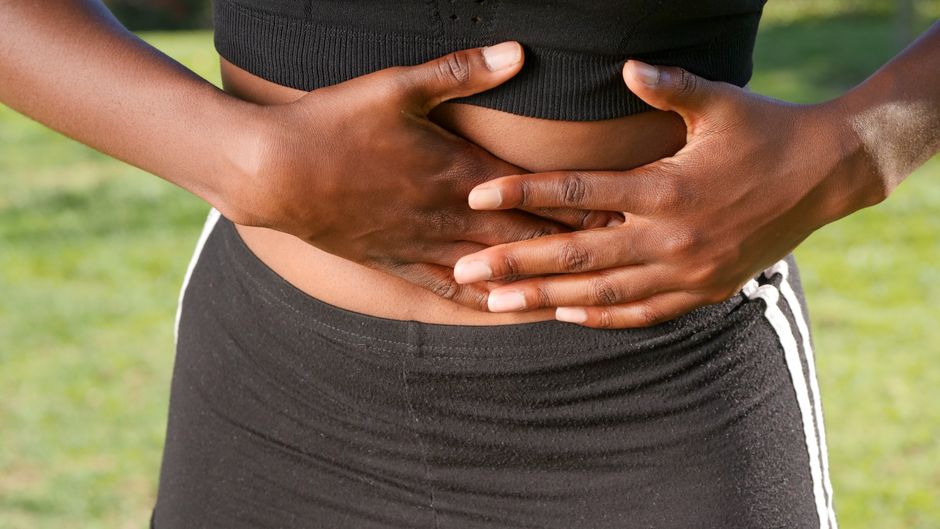
Yes, women fart. Passing gas is a normal bodily function that everyone experiences, with roughly a litre of gas released per day, according to Origin. Normal flatulence is not a gender-specific issue. Excessive or persistent gas, however, can point to a diet, lifestyle, or medical issue worth investigating. The distinction between ordinary wind and problematic flatulence matters for deciding whether to adjust habits or seek medical advice.
Table of Contents
- Why do women fart, and how much gas is normal?
- What causes excessive flatulence in women?
- When should you worry about how much you fart?
- Which foods and drinks make women gassy?
- Can treatments like chiropractic or traditional Chinese medicine help with farting?
- Is farting as a woman embarrassing, or is it just comedy fodder?
- How can you reduce farting in everyday situations?
- Key Takeaways
- References
Why do women fart, and how much gas is normal?
Women fart for exactly the same reasons men do. Flatulence comes from two main sources: swallowed air and the fermentation of undigested food by bacteria in the large intestine. There is no sex-specific mechanism that makes female flatulence fundamentally different from male flatulence.
The benchmark figure for typical daily gas release is about a litre per day, according to Origin. That volume can vary from person to person and from day to day. Passing wind between 10 and 20 times daily is generally considered within the normal range.

Farting during penetrative sex is also common. According to Healthline, which cites Cleveland Clinic, the anus lies next to the vaginal wall, so pressure and movement during sex can push air out. This is a mechanical effect, not a sign of poor health or poor hygiene.
The idea that women do not fart is a cultural myth rather than a biological fact. Everyone produces intestinal gas. The difference is often social: many women feel pressure to hold wind in, which can lead to bloating and discomfort later. Holding gas in does not make it disappear; it simply delays release.
What causes excessive flatulence in women?
Stress is the number one cause of excessive flatulence, with diet as the number two driver, according to Dr. We Dong Yu, a western physician and doctor of traditional Chinese medicine, speaking in Origin. Stress affects gut motility and can change how the digestive system processes food and air.
Common dietary triggers include bread, pasta, and deep-fried food. Dr. We Dong Yu specifically advised patient Deborah Hoy to reduce bread and pasta and to avoid deep-fried food, as reported by Origin. These foods can ferment more readily in the gut or slow digestion.

A high-stress, on-the-go lifestyle compounds the problem. Deborah Hoy reported working seven days a week and living off junk food and coffee, having had three coffees in one day, according to Origin. That combination of long hours, poor food choices, and caffeine can disrupt normal digestion.
Some practitioners also cite tension stored in the body as a contributing factor. Vancouver chiropractor Kevin L. attributed patient Margaret Schultz’s gas and flatulence mainly to tension stored in the body, as reported by Origin. This view is not universally accepted in conventional medicine, but it reflects a body-based approach to digestive symptoms.
When should you worry about how much you fart?
Severe or persistent gas can signal a more serious underlying problem, though for most people it stems from lifestyle and diet rather than disease, according to Origin. The key is to look for patterns and accompanying symptoms rather than worrying about occasional wind.
A doctor may take several diagnostic steps to rule out underlying conditions. Margaret Schultz had a colonoscopy, coeliac testing, and blood work, none of which identified the cause of her symptoms, as reported by Origin. These tests help exclude structural problems, gluten sensitivity, and systemic issues.
Seek medical advice if gas comes with bloating, pain, or sudden changes in bowel habits. Related searches for flatulence content on Shutterstock include haemorrhoid, constipation, digestive system, and colorectal cancer, which reflects the range of conditions people associate with bowel symptoms. Persistent changes warrant professional assessment.
Occasional gassiness is not a medical emergency. A gassy tummy can strike anytime, anywhere, as illustrated by Vancouver airport customs broker Margaret Schultz, according to Origin. The threshold for concern is not a single episode but a sustained change in frequency, odour, or discomfort.
Which foods and drinks make women gassy?
Bread, pasta, and deep-fried food are among the most commonly implicated dietary triggers. Dr. We Dong Yu advised Deborah Hoy to cut back on bread and pasta and to avoid deep-fried food, as reported by Origin. These items can be hard to digest and may ferment in the gut.
Coffee and junk food are everyday culprits in a busy lifestyle. Deborah Hoy reported living off junk food and coffee, according to Origin. Caffeine can stimulate the bowel, while highly processed foods often contain ingredients that produce gas during digestion.
Dietary triggers fall into several broad categories. High-fibre foods such as beans, lentils, and certain vegetables can produce gas as fibre ferments. Fried and fatty foods slow digestion and can cause bloating. Fizzy drinks introduce extra swallowed air. Dairy can cause wind in people with lactose intolerance.
A simple elimination approach can help identify personal triggers. Remove one suspect food group for two to four weeks, then reintroduce it and monitor symptoms. This method is low-cost and does not require medical supervision for most people. Keep the process systematic rather than cutting out multiple foods at once.
Can treatments like chiropractic or traditional Chinese medicine help with farting?
Chiropractic treatment is one complementary approach that some practitioners use for gas and flatulence. The chiropractic view is that trapped tension drives gas and flatulence, as Vancouver chiropractor Kevin L. explained when treating Margaret Schultz, according to Origin. Chiropractic has only been around for a hundred years and is now a widely accepted complementary practice.
Traditional Chinese medicine has been used in China for centuries. Dr. We Dong Yu, who is both a western physician and a doctor of traditional Chinese medicine, identified stress as the number one cause of Deborah Hoy’s condition and diet as number two, according to Origin. His approach combined dietary advice with attention to stress.
The evidence base for both approaches in treating flatulence specifically is limited. Neither chiropractic nor traditional Chinese medicine has strong clinical trial data showing it reduces gas more effectively than placebo. These therapies may help some people feel better overall, but they should not replace conventional diagnosis.
Position these as complementary options alongside, not instead of, conventional medical advice. A GP can rule out serious causes and recommend evidence-based treatments. Complementary therapies may then be added if a patient finds them helpful and can afford them.
Is farting as a woman embarrassing, or is it just comedy fodder?
The embarrassment many women feel about farting is cultural, not medical. The bodily function itself is universal, but social norms often treat female flatulence as more shameful than male flatulence. That double standard has no basis in biology.
Comedy and viral content have built an entire genre around women farting. Stand-up comedian Isabel Hagen performed a routine titled “Farting as a Woman” that received 44,653 views and 909 likes, according to Isabel Hagen. The Women Farting YouTube channel hosts videos with titles such as “Women Farting Loud and Proud: Butt Baritones of Confident Ladies, Go Girl!” and “Stunning Woman Farts, Then Looks Straight at You”.
The stock footage industry also reflects this fascination. Shutterstock lists 80,302 women farting royalty-free stock videos, including clips of ladies in Christmas sweaters reacting to a fart and a funny woman doing raspberry farts with her mouth. These clips are made for comedy, not education.
The volume of this content suggests that the taboo is weakening. Laughing at flatulence can reduce shame, but the underlying message remains: women fart, and that is ordinary. The embarrassment is a social construct, not a medical reality.
How can you reduce farting in everyday situations?
Slow down when eating. Eating quickly increases swallowed air, which contributes to flatulence. Chewing food thoroughly and taking pauses between bites can reduce the amount of air entering the digestive tract.
Cut fizzy drinks and review coffee intake. Carbonated beverages add gas directly to the stomach. Coffee can stimulate the bowel and was part of Deborah Hoy’s daily routine, as reported by Origin. Reducing caffeine may help if coffee is a known trigger.
Keep a simple food and symptom diary. Note what you eat, when you eat, and when symptoms occur. Patterns often emerge within two to three weeks. This self-monitoring can identify triggers without medical testing.
You might also find these guides helpful: do women really look better without makeup, how to meet women and lesbian dating sites.
Add stress-reduction habits. Stress is flagged as the top cause of excessive flatulence by Dr. We Dong Yu, according to Origin. Regular walking, breathing exercises, or any calming routine may improve gut symptoms. Escalate to a GP if self-help measures do not work after several weeks.
Key Takeaways
- Women fart just like men, and passing gas is a normal bodily function rather than a gender-specific quirk.
- The average person releases around a litre of gas per day, according to Origin.
- Stress is identified by clinicians as the number one cause of excessive flatulence, with diet second.
- Bread, pasta, and deep-fried food are common dietary triggers worth reducing.
- Severe or persistent gas can occasionally signal a more serious problem, so testing such as colonoscopy or coeliac screening may be warranted.
- Chiropractic and traditional Chinese medicine are popular complementary approaches, but evidence for treating flatulence specifically is limited.
- Farting during penetrative sex is common because the anus lies next to the vaginal wall, according to Healthline.
References
- The Women That Can’t Stop FARTING | Remedy Me | Full Episode
- Women Farting – YouTube
- Farting as a Woman #standup #comedy #standupcomedy #shorts
- Women Farting royalty-free stock footage
- Do Girls Fart? Yes, Everyone Does!
For more dating advice, explore Singles Warehouse, and if you have a question, please get in touch.