
Recent Posts


Falling for someone in uniform can feel exciting, but dating a police officer comes with its own set of realities. As women, we often juggle careers, family, and friendships – adding a partner with an unpredictable schedule and high-stress job can shift the balance. It’s not just about late-night shifts or missed plans; it’s about understanding what support looks like in a relationship where duty sometimes comes first. If you’re thinking about building something meaningful with a police officer in the UK, it helps to know what you’re stepping into – with honesty, care, and plenty of open conversation along the way.
Understanding Their Unpredictable Schedule
When you’re dating a police officer, time can feel uncertain. They don’t follow the same routine as someone with a nine-to-five job. Shifts change often. Sometimes they start early in the morning, other times late at night. Some days they’re off when most people are working, and on duty during weekends or holidays.
Plans might fall through without warning. You could be getting ready for dinner together, and then a call comes through. They may have to leave straight away or stay longer at their station than expected. It’s not personal, it’s part of what their role demands.
Being patient helps a lot. So does keeping your own schedule open when possible. Try not to take last-minute changes as rejection or lack of care. Staying flexible makes it easier to enjoy time together when it happens, even if it’s short notice.
It also helps to talk about expectations early on. If you know their shift pattern for the week, you can plan around that instead of hoping for fixed routines that won’t happen often. Keeping communication clear is key even just a quick message saying “I’m still at the station” can make all the difference.
Sometimes you’ll spend evenings alone while others go out with partners after office hours. That might feel hard at first, but learning how to enjoy your own company brings strength and confidence too.
Support goes both ways in any relationship, but here it takes extra effort from both sides to keep things steady despite changing hours and missed plans. When you understand how demanding their time can be, you’re more likely to build something strong based on trust rather than frustration over things no one can control.
What matters most is staying open-minded about how your life fits with theirs – not trying to force what doesn’t match up naturally but creating new ways of being close that suit both lives equally well.
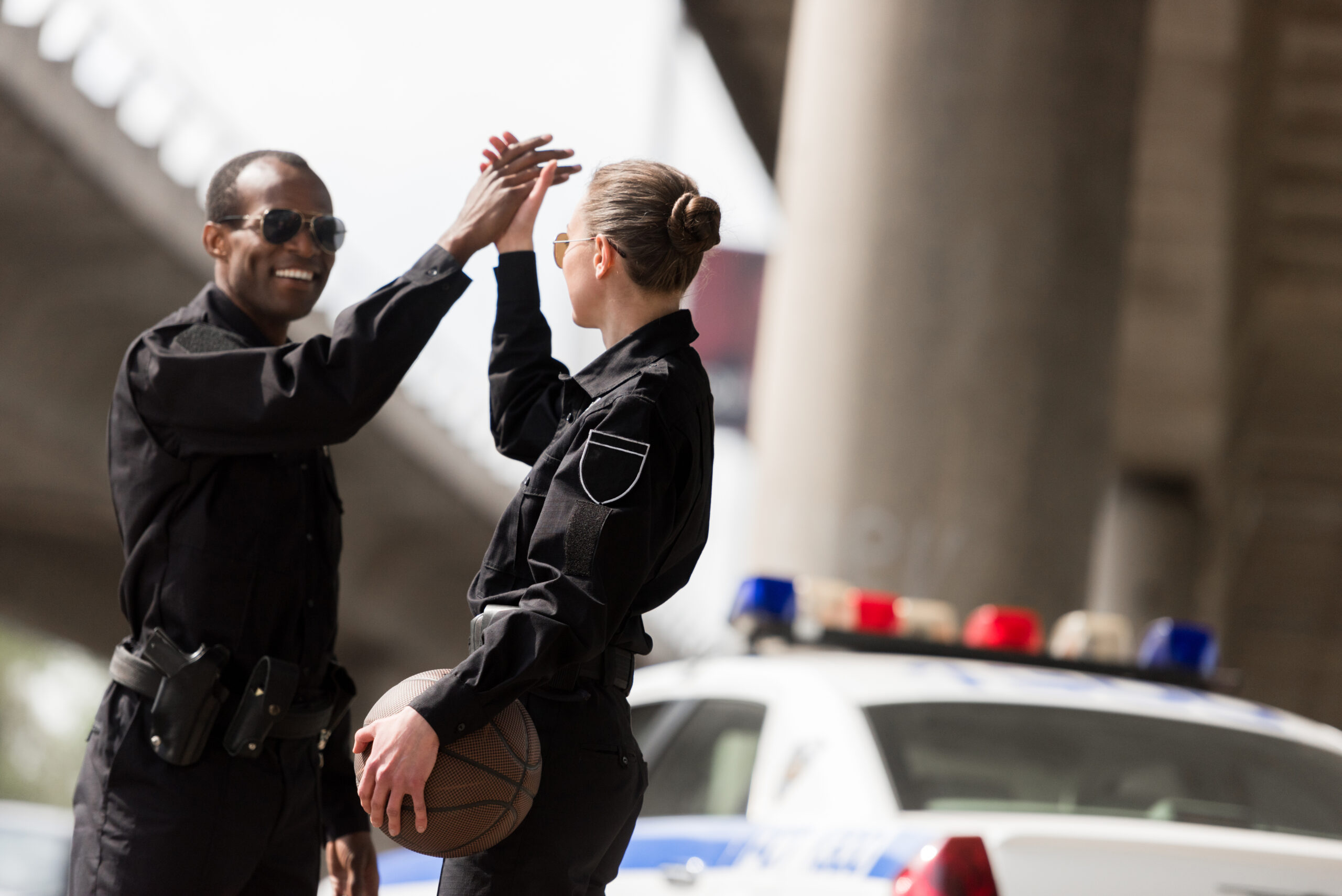
Respecting Confidentiality
When you’re dating a police officer, one thing you learn quickly is that their job comes with strict rules. One of the biggest parts of their role involves keeping things private. They often deal with situations that they can’t talk about, even when they want to. Sometimes, it might seem like they’re holding back or being distant, but really, they’re just following the law and doing their duty.
You might feel curious about what happened during a shift or why they came home late after an emergency call. It’s natural to want answers, especially when you care deeply. But asking too many questions or pushing for details puts them in a tough spot. When we respect those limits, we show support without needing full access to everything.
Their silence doesn’t mean they don’t trust you, it means they’re respecting victims’ rights and protecting others’ privacy. This also protects them from professional consequences. Officers can face serious outcomes if they share case information outside of approved channels.
Trust grows stronger when both partners understand what can be shared and what must stay private. You don’t need every detail to offer comfort or be present for them after a rough day.
It helps to focus on how you communicate in other ways – sharing your own thoughts, listening without judgement, and being patient when things feel unclear. Learning not to take it personally builds strength in the relationship over time.
Boundaries like these aren’t barriers, they’re part of loving someone whose career demands silence at times. Knowing this lets us offer real support while still feeling connected as partners who stand beside each other through everything life brings.
Managing Stress and Emotional Toll
When you’re dating a police officer, you may notice how their job affects them after long shifts. The role often involves high-pressure situations, which can leave them feeling drained. They might come home quiet or distant, not because of something you’ve done, but because they need space to recover.
It helps to be patient. Some days, they may not want to talk straight away. Giving them time without pushing for answers shows support. Letting them know you’re around when they’re ready can go a long way.
Listening matters more than fixing things. You don’t need solutions or advice unless they ask for it. Sometimes just sitting beside them while they vent is enough. That shared silence or simple conversation can offer comfort after hours spent dealing with difficult people or dangerous events.
You might hear stories that upset you too. It’s okay to feel shaken by what they share—those feelings show your care—but try not to carry their weight as your own burden. If it becomes too much, finding someone neutral like a counsellor could help you manage those emotions.
Try creating calm moments together away from the stress of the job. A walk in the park, cooking dinner side by side, or watching a film can bring back balance and connection after tough days.
Sharing life with someone in this line of duty means accepting that some parts of their world stay closed off at times for legal reasons or personal ones but showing up consistently builds trust over time.
Being emotionally available doesn’t mean always having deep talks either; sometimes it’s just holding hands on the sofa after a long day that makes all the difference when words run out but presence still matters deeply.
Navigating Public Perception
People often have strong opinions about the police. When you’re dating a police officer, you might notice how others react to it. Some may show support or interest. Others could ask questions that feel uncomfortable or even unfair. These reactions can come from friends, relatives, or strangers.
You might find yourself explaining things more than you’d like. Some people may not understand what it’s like to care for someone in this line of duty. They might base their views on headlines or social media posts rather than real experiences. This can lead to awkward chats at gatherings or even coldness from those you thought were close.
It’s also possible that your partner’s job becomes a topic in places where you didn’t expect it to come up like at your workplace, during family meals, or while out with mates. People may think they know what officers do each day, but often they don’t see the full picture.
As women, we’ve learned how to speak up when needed and stay quiet when it serves us better. You’ll need both skills here. Sometimes you’ll want to stand by your partner openly; other times, you’ll choose silence just for peace of mind.
Public opinion changes all the time too. One week there might be praise for something heroic an officer did; another week could bring protests and criticism because of wider issues in policing.
It helps to decide early on how much you’re willing to share with others about your relationship and why you’ve made that choice. Stand firm in what feels right for you without needing approval from everyone around you.
Let people form their own thoughts while keeping control over your own space and boundaries as best as you can manage them daily.
Supporting Their Commitment to Duty
When you’re dating a police officer, one thing becomes clear early on their job often comes first. This isn’t because they care less; it’s because they’ve made a promise to protect others. That promise doesn’t stop for birthdays, anniversaries, or holidays. You might plan a dinner, only to have them called away at the last minute. It can feel disappointing, especially when you’ve been looking forward to time together.
It helps to remind yourself that their absence isn’t personal. They’re not choosing someone else over you — they’re answering a call that could save lives. That kind of responsibility is heavy, and they carry it every day without asking for praise or attention.
Being understanding doesn’t mean ignoring your own needs. It’s about finding balance and being honest about your feelings while also respecting theirs. If you feel let down when plans change suddenly, it’s okay to say so gently. Honest conversations build trust and help both of you feel seen.
Try creating moments together when they’re off duty instead of waiting for special dates on the calendar. A quiet evening after a long shift can mean just as much as a big night out. Being flexible with time shows you’re part of their world rather than standing outside it.
Some days will be harder than others. There may be times when you miss them more than usual or wish things were easier. But recognising why they do what they do can bring strength into your relationship too.
Knowing that you’re there for them even during missed meals or late-night calls can build connection in small but lasting ways.

Recognising the Realities of Dating a Police Officer
Being with someone in law enforcement means learning how their job affects daily life. Their shifts can change often. You may need to make plans without knowing when they will be free. This can feel frustrating, especially if you value regular time together. Still, understanding that their schedule is out of their hands helps reduce pressure on both sides.
The role also brings stress that doesn’t always stay at the station. Officers deal with difficult scenes and situations. They may come home quiet or distant after a long shift. It’s not about you, it’s about what they’ve just seen or done. Being patient matters here, but so does setting boundaries for your own emotional space.
There’s also risk involved in this line of duty. Knowing your partner might face danger while working is hard to ignore. You might worry more than usual when they don’t answer straight away or come home later than expected. That concern is natural, but it shouldn’t take over your peace of mind every day.
Friends and family may ask questions that feel awkward or personal because of the uniform your partner wears. Some people have strong views about police roles in society, which could lead to tricky conversations at social gatherings or even within your own circle.
Dating a police officer means being ready for changes and uncertainty but it doesn’t mean giving up balance or joy in your relationship. What helps most is open talk, mutual care and respect for each other’s needs as individuals first before anything else gets added to the mix like job titles or late-night callouts.
There will be times when you carry more weight emotionally because they’re drained from what happened on duty—but there should also be space for you to speak up too when things feel off-balance or too heavy on one side alone.
Building a Strong Relationship with Purpose and Understanding
Loving someone in uniform comes with unique challenges, but it also offers profound rewards. When you’re dating a police officer, embracing their unpredictable schedule, respecting the confidentiality of their role, and understanding the emotional demands of their job can create a deeper bond. Public perception may at times feel daunting, but your support and resilience can help navigate it together. At its heart, this kind of relationship requires compassion, strength, and mutual respect and qualities that empower us as women to love fiercely while honouring the dedication our partners bring to serving others.