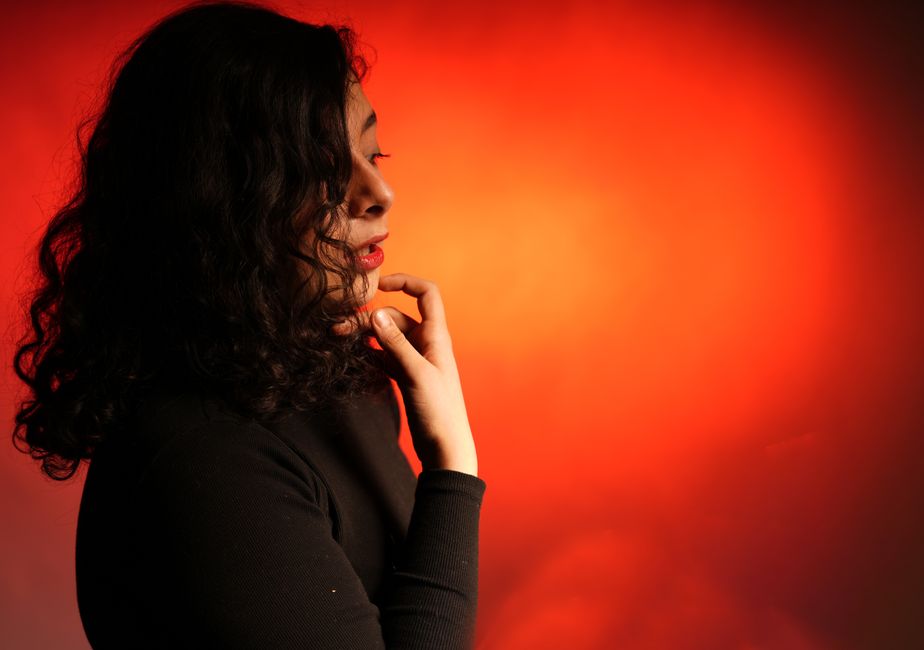
Yes, a visible shift is underway. Prominent noses are being reframed as a distinctive beauty asset rather than a flaw, and 2026 is the year this conversation has gone mainstream. In the UK, this is a cultural and media trend rather than a clinical or medical claim. The discussion now spans representation, celebrity influence and body-positivity communities.
Table of Contents
- Why are women with big noses suddenly being called beautiful?
- Which famous women have big noses and have embraced them?
- What does the history of nose surgery tell us about beauty standards?
- How are women with big noses building their own communities online?
- What do people actually say about a woman with a big nose?
- Is the big nose trend backed by real evidence or just social media hype?
- How can you feel more confident about having a big nose?
- Key Takeaways
- References
Why are women with big noses suddenly being called beautiful?
The rise of “big nose positivity” has moved from niche forums into mainstream aesthetic conversation. A viral YouTube video titled “a big nose is the new beauty standard” was uploaded on 18 February 2026 and has already drawn 635,567 views and 28,867 likes, according to YouTube. The video predicts that the big nose will rise as the next unattainable beauty standard in 2026.
Social platforms have turned the large nose into a talking point rather than a punchline. Communities such as r/BigNoseLadies describe themselves as supportive spaces for women with visibly big and unconventional noses. The Instagram account BIG NOSE POSITIVITY reinforces that tone by stating that hate and fetishism will get blocked.

The shift is also visible in photography habits. Stylist writer Radhika Sanghani created the #SideProfileSelfie movement for people to post photos of their large noses, according to Stylist. Instead of hiding a prominent nose, women are deliberately showing it in side profile.
The trend is being framed as “unattainable” rather than simply inclusive. The viral video argues that because it is easier to make a large nose smaller than to make a small nose larger, a big nose can become a marker of natural distinction. That framing gives the trend a different status from ordinary body acceptance.
The 2026 timing matters. Pinterest boards such as Big nose beauty show renewed interest in distinctive faces as a curated aesthetic. The conversation has shifted from correction to celebration.
Which famous women have big noses and have embraced them?
Several high-profile women are now cited as examples of prominent noses that have not been surgically altered. The viral YouTube video names Hailey Bieber, Sabrina Carpenter and Emily Ratajkowski as women with prominent noses who have not had nose jobs, according to YouTube. Their visibility has helped normalise the feature.
Barbra Streisand is the most famous historical example of refusal. Streisand said no to nose surgery in case it affected her voice. She told Playboy, “I love my bump, I wouldn’t cut my bump off”, as reported by Stylist. Her decision is often referenced as proof that a distinctive nose can coexist with a major career.

Anjelica Huston has spoken candidly about her relationship with her nose. Huston said, “There were times when I hated my nose. But you grow up and you start to recognise that maybe it wasn’t a bad thing that you weren’t born Barbie”, according to Stylist. Her words capture the arc from insecurity to acceptance.
Cleopatra offers an ancient precedent. Cleopatra had a big, hooked, pointy nose and was described by Dio Cassius as “a woman of surpassing beauty”, according to Stylist. She commissioned coins and busts of herself without softening her features, which suggests she did not see the nose as a flaw.
Bella Hadid’s original nose is often discussed in contrast to her sister’s. The viral video describes Bella Hadid’s original nose as wider and longer with a sloped-down tip, linked to her Palestinian ancestry, in contrast to Gigi Hadid’s small upturned nose, according to YouTube. The comparison highlights how beauty standards have historically favoured one type of nose over another.
What does the history of nose surgery tell us about beauty standards?
The first aesthetic nose job was performed in 1887 by ENT surgeon Dr. John Row, according to YouTube. That date marks the beginning of surgical nose alteration as a beauty practice. It also shows how long the pressure to change nose shape has existed.
Technically, it is easier to make a large nose smaller than to make a small nose larger, according to YouTube. This surgical reality has shaped beauty ideals. A small nose became the default goal because it was the achievable outcome.
Dame Edith Sitwell’s story illustrates the historical pressure to shrink noses. Her father made her wear a nose-truss as a teenager to “correct nasal deformities”, according to Stylist. The device was intended to reshape her nose, but it also shows how family pressure reinforced beauty norms.
Today’s reappraisal of strong features sits directly against that history. The same nose that might once have been corrected is now being celebrated as characterful. However, there is a gap in the data. No reliable figures exist on how many women seek rhinoplasty to reduce nose size, or how that number has changed over time.
How are women with big noses building their own communities online?
Women with big noses are building their own supportive spaces online. r/BigNoseLadies describes itself as a supportive community for women with visibly big and unconventional noses. Members share photos and experiences without the pressure to change.
The Instagram account BIG NOSE POSITIVITY sets clear boundaries. The account states that hate and fetishism will get blocked. That rule keeps the space focused on support rather than objectification.
The #SideProfileSelfie movement was started by Stylist writer Radhika Sanghani, according to Stylist. The movement encourages people to post photos of their large noses from the side. It turns a previously avoided angle into a point of pride.
Pinterest boards and Reddit threads celebrate distinct profiles as a curated aesthetic. The Big nose beauty board collects images that treat the feature as beautiful. A Reddit thread in r/popculturechat is titled “Profiles I adore because I love a distinct nose on a woman”.
These spaces differ from mainstream beauty content. They are built by and for women with the feature, not by brands selling correction. The tone is communal rather than aspirational.
What do people actually say about a woman with a big nose?
The Guardian published a piece titled “What I’m really thinking: the woman with a big nose” on 2 September 2017, according to The Guardian. The piece states that women with strong facial features like a big nose look “strong” and that the feature “gives character to the face”.
There is a tension between admiration and fetishisation in comment culture. The Instagram account BIG NOSE POSITIVITY blocks both hate and fetishism. An Instagram reel about a prominent nose, viewable here, shows how public commentary can quickly become intrusive.
Stock photo sites still frame big-nose imagery through a corrective lens. Getty Images lists 1,262 “big nose woman” photos and images, according to Getty Images. Many of those images are tagged “pinocchio”, “plastic surgery concept” and “before and after rhinoplasty”.
The male perspective is largely absent from the available sources. Most commentary comes from women sharing their own experiences or from media analysis. That gap means the trend is being defined primarily by the people who live with the feature.
Is the big nose trend backed by real evidence or just social media hype?
No, the big nose trend is not yet backed by real evidence. No sales, search-trend or market data currently supports the claim that the big nose is becoming a beauty standard. The available sources are cultural commentary rather than research.
The viral video predicting the shift is a creator opinion, not a study. The video has strong engagement, with 635,567 views and 28,867 likes, according to YouTube. But popularity does not equal evidence.
There is no agreed definition or measurement criteria for what counts as a “big nose”. The term is used loosely across social media, stock photo tags and journalism. That makes the trend difficult to quantify.
UK-specific data is also missing. The trend is widely discussed in British media, but no source provides figures on British attitudes, rhinoplasty rates or search behaviour. The conversation is global but the evidence is thin.
Beauty-standard predictions should be read critically in 2026. A Pinterest board such as Big nose beauty shows genuine cultural interest, but it is not proof of a market shift. The trend may be real as a social movement even if it is not measurable as a commercial one.
How can you feel more confident about having a big nose?
Reframing a prominent nose as a feature that gives the face character is a practical first step. The Guardian piece argues that strong features look “strong” and “give character to the face”, according to The Guardian. That framing shifts the nose from flaw to signature.
Learning from women who declined surgery can help. Barbra Streisand refused nose surgery in case it affected her voice, and Anjelica Huston grew to value not being “born Barbie”, according to Stylist. Neither woman expresses regret.
Using side-profile photography as a confidence practice is another option. The #SideProfileSelfie movement encourages people to post photos of their large noses rather than avoid the angle, according to Stylist. Repeated exposure can reduce self-consciousness.
Finding communities that block hate and fetishism keeps the space supportive. r/BigNoseLadies and BIG NOSE POSITIVITY both maintain that standard. A safe community makes confidence easier to build.
You might also find these guides helpful: how to attract women by being your best self, cougar dating advice and do women really look better without makeup.
Recognising that beauty standards shift is perhaps the most useful perspective. Today’s “flaw” is often tomorrow’s signature look, as the 2026 big nose conversation suggests, according to YouTube. Confidence can come from knowing that the standard itself is unstable.
Key Takeaways
- A viral 2026 video argues the big nose will become the next unattainable beauty standard, and it has already drawn over 635,000 views.
- The first aesthetic nose job was performed in 1887 by ENT surgeon Dr. John Row.
- Hailey Bieber, Sabrina Carpenter and Emily Ratajkowski are cited as prominent-nosed women who have not had nose jobs.
- Cleopatra had a big, hooked, pointy nose and still commissioned coins and busts that did not soften her features.
- Barbra Streisand turned down nose surgery in case it affected her voice, saying “I love my bump, I wouldn’t cut my bump off”.
- Getty Images holds 1,262 “big nose woman” photos, many still tagged “pinocchio” or “before and after rhinoplasty”.
- No source provides data on how many women seek rhinoplasty to reduce nose size, or UK-specific figures on the trend.
References
- a big nose is the new beauty standard – YouTube
- Big Nose Woman Stock Photos – Getty Images
- These big-nosed women helped me love the way I look – Stylist
- r/BigNoseLadies – Reddit
- BIG NOSE POSITIVITY (@bignosechick) – Instagram
- Profiles I adore because I love a distinct nose on a woman – Reddit
- 94 Best Big nose beauty ideas in 2026 – Pinterest
- What I’m really thinking: the woman with a big nose – The Guardian
- Instagram reel about a prominent nose
For more dating advice, explore Singles Warehouse, and if you have a question, please get in touch.