
Recent Posts


Every few years someone puts together a list of the worst wedding dresses of all time, and every time the internet has a good giggle. We are going to do something a little different. This is a light-hearted, kind look at the styles that look dramatic in hindsight, with no pointing at real brides and no unkind jokes about anyone’s big day.
After all, almost every dress was loved on the day, and fashion simply moves on. What looks like a disaster now was often the height of style then. So instead of mocking people, let us look at the trends themselves, work out why some of them did not age well, and use that to help you choose a gown you will still adore when you flick through the album in twenty years. We will also share some practical comfort tips for the bride, because feeling good is half the battle.
Why the Worst Wedding Dresses of All Time Date So Quickly
A wedding dress is one of the few outfits most people wear once, photograph endlessly and keep in a loft for decades. That is exactly why wedding dress trends show up so clearly in old photographs. Fabrics, silhouettes and details all belong to their moment, and we spot them instantly when we look back.
Part of it is the pressure to look dramatic. A wedding is a big occasion, and designers know brides want to feel special, so styles tend to push things further than everyday fashion would. Bigger sleeves, bigger skirts, more sparkle. When the trend fades, the extra drama is the first thing that looks dated.
The other reason is simply that we get used to things. A look that feels bold and fresh in one decade can feel overdone in the next. None of this is a criticism of anyone’s taste. It just tells us that a gown can be perfect for its time and still raise a smile later on.
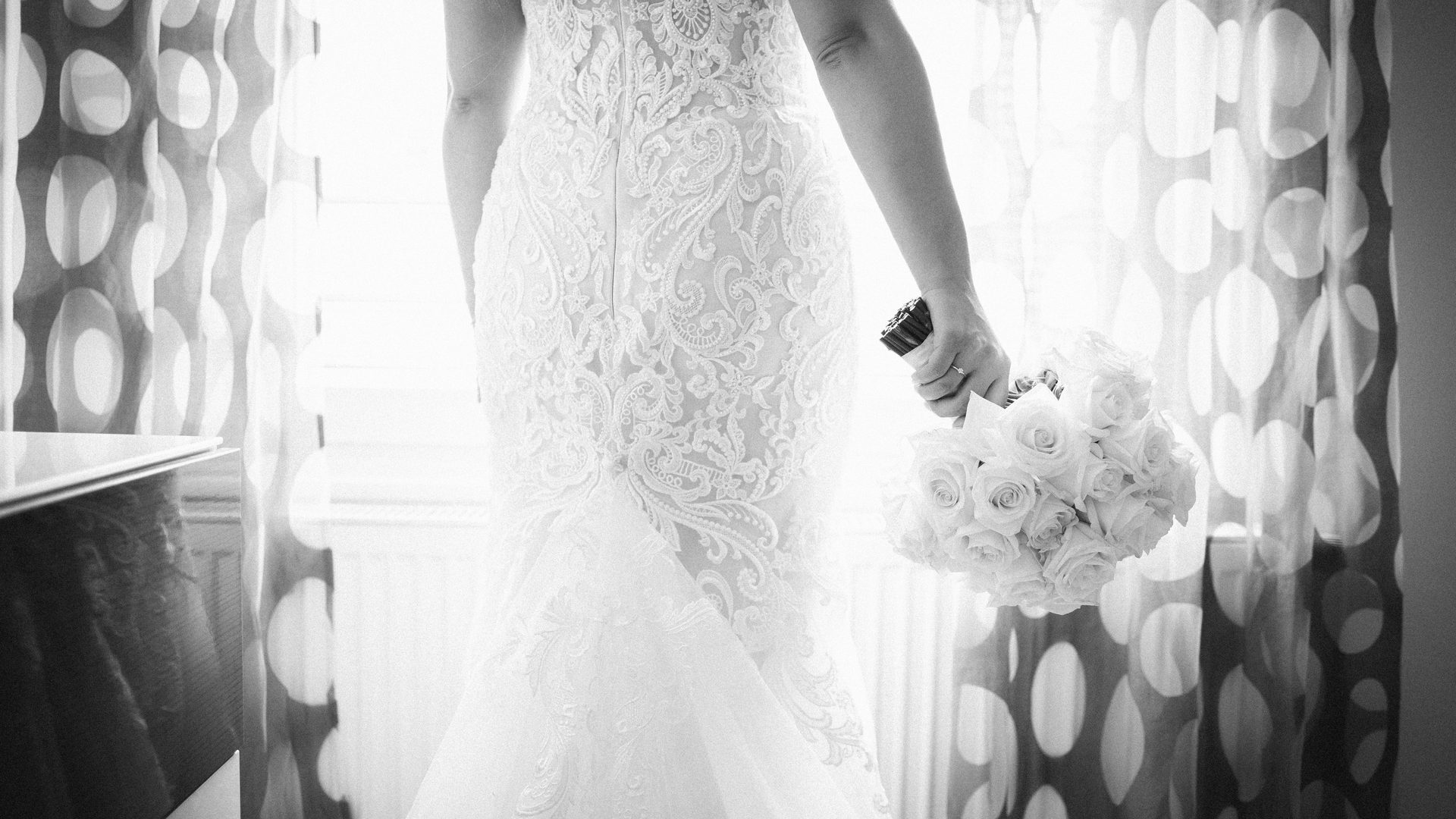
The Giant Puff Sleeve and the Big Shoulder Era
If there is one detail that turns up again and again when people discuss the worst wedding dresses of all time, it is the oversized sleeve. At various points in history, sleeves have ballooned into huge puffs that frame the face like a pair of cushions.
The problem is balance. A very large sleeve can swamp a smaller frame, hide the shape of the arms and make it hard to hug anyone. It can also be surprisingly awkward in a car or at a narrow church door. Today a softer version, such as a gentle puff or a sheer sleeve with a little volume, has made a comeback, and it tends to look lovely because it is kept in proportion.
A good rule: if the sleeves are the first thing anyone would notice in a photo, they may be doing too much.
Plunging Necklines and Too Much Drama Up Top
Deep necklines come and go, and many brides look wonderful in them. Trouble starts when the neckline is so low or so wide that the bride spends the whole day tugging and adjusting rather than enjoying herself.
Wedding days involve a lot of hugging, dancing, bending down to greet children and lifting arms for group photographs. A neckline that looks stunning standing still can behave very differently in motion. Comfort shows in photos, and a bride who feels secure will always look more relaxed than one who is worrying about her dress.
If you love a dramatic neckline, try the dress on and move around in it. Sit, hug your mum, raise your arms and do a little dance. If you can do all that without a second thought, you have probably found one that works.
Novelty Dresses: When the Concept Takes Over
Every so often a dress appears that is built around a theme or a gimmick, from fabrics that look like something else to designs inspired by sweets, sports or favourite films. These make great headlines and brilliant memories for the people involved, and if you truly love the idea, then go for it.
The caution is only about longevity. A novelty design says one very specific thing about one moment in your life. Twenty years on, you may still smile at the memory, but you may wish the photos showed a gown that felt more like you than like a joke. A neat compromise is to keep the dress classic and put the fun into a smaller detail, such as embroidered words inside the hem, colourful shoes or a playful veil.
Feather Overload and Too Many Trimmings
Feathers, sequins, bows, beads, ruffles and lace are all beautiful on their own. The trouble starts when a single dress tries to include every one of them. Designers often describe this as the “too many ideas” problem, where each detail competes for attention and none gets to shine.
Heavy feathers deserve a special mention. They shed, they get caught in the wind, and they can make the bride look like she is wearing a bird. In small touches, such as a feathered trim on a hem or a delicate cuff, they can be glamorous. As a full skirt or covering the whole bodice, they tend to date fast and are unpleasant to wear on a warm day.
If you cannot decide between two trims, choose one. Dresses with one or two clear features usually photograph better than those with ten.
Impractical Trains and Skirts You Cannot Move In
A long train looks glorious in the aisle shots. Then comes the reception. The bride cannot reach the bar, the cake table is out of bounds, and the first dance becomes a performance of trying not to trip.
Some trains are so long that they need a helper just to turn a corner. Others are so heavy they pull the dress down at the back. Skirts that are very wide can stop you sitting down or getting through doors, while very narrow ones can prevent you from walking at normal speed.
The good news is that most gowns can be bustled, meaning the train is lifted and fastened so you can move freely after the ceremony. Ask your dressmaker about this early, and practise walking, sitting and dancing in the finished dress before the big day.
The Colour, Fabric and Fit Mistakes
It is not only big, showy designs that cause regret. Some of the most common wedding dress mistakes are quiet ones:
- The wrong white. Stark white, ivory, champagne and blush all look different against skin tone and in different light. Test them in daylight if you can.
- Fabric that fights the weather. Heavy satin in a summer marquee or thin chiffon in a winter church can leave you either boiling or freezing.
- A fit that is too tight. Dresses are often ordered in a size the bride plans to be later. Order for the body you have now, and have it altered closer to the date.
- Shiny fabrics that crease. Some materials show every wrinkle in photos, especially after sitting in a car.
- Underlayers you can see. Visible seams, straps and shapewear lines are among the most common complaints in wedding photos.
What Makes a Wedding Dress Go Wrong
When we step back, a few themes explain why the worst wedding dresses of all time look the way they do. Almost none of them are about ugly fabrics or bad taste. They are about mismatch.
- The dress does not suit the venue. A beach gown in a stately home, or a ballgown at a barn wedding, can feel out of place.
- The dress suits the trend more than the person. Copying a look because it is everywhere rarely feels right later.
- The dress hides the bride. When you cannot see her smile for the sleeves, sparkle and trims, something has gone wrong.
- The dress is uncomfortable. A tight bodice, itchy lace or unbearable weight shows in every photograph.
- The decision was rushed or pressured. Choosing under stress, or to please other people, is a common source of regret.
How to Choose a Dress You Will Love in 20 Years
Nobody wants a place on a list of the worst wedding dresses of all time, but the aim is not to avoid every trend, only to choose with a clear head. Here is a simple approach that works for most people.
- Start with how you want to feel. Pick three words, such as elegant, relaxed and happy, and judge every dress against them.
- Look at timeless shapes. A-line, fit and flare, and simple sheaths have stayed in fashion for generations.
- Keep the details few. One statement feature is usually plenty.
- Think about the venue and season. The right dress should feel right in the room, the weather and the setting.
- Look at old family photos. Which wedding pictures make you smile years later? Notice what they have in common.
- Ask for honest opinions from one or two people. A huge entourage means a huge pile of conflicting views.
- Trust the first reaction. If you felt a rush when you put it on, that matters more than any list of rules.
It also helps to remember that the day is really about the commitment. If you are still in the early stages of finding a partner, our piece on what romance really means is a good reminder that the dress is only one small part of the story.
Tips for the Bride’s Comfort on the Day
A dress you love will only look its best if you are comfortable inside it. A few practical suggestions:
- Book at least two fittings, and bring the shoes and underwear you will wear on the day.
- Walk, sit, eat a snack and dance in the dress before you commit.
- Pack a small kit with safety pins, tissues, blotting papers, plasters and a hairbrush.
- Choose shoes you can wear for hours, and bring a comfortable second pair for the evening.
- Have a friend or bridesmaid who knows how to bustle the train and manage the fastenings.
- Eat breakfast and drink water. Feeling faint in a corset is no fun.
- Keep a light wrap or jacket ready for chilly churches or evening air.
Comfort is not boring. It simply means you can relax, laugh and enjoy yourself, which is what every guest will remember most.
A Kinder Way to Look Back
Looking back at old wedding photos should be fun, not cruel. When a style looks dated, it usually reminds us of a particular time, the music, the haircuts and the people we shared it with. If you spot something dramatic in your own album, enjoy it. It means you wore what you loved in the moment.
And if you are still searching for the person you will wear it for, remember that love is not about the outfit. If you are wondering how to tell real feelings from a passing spark, our guide on love vs lust is worth a read.
Frequently Asked Questions
What makes a wedding dress look dated? Usually it is an oversized or trend-led feature, such as huge sleeves, heavy trims or a very dramatic silhouette. Classic shapes with a few well-chosen details tend to look fresh for longer.
Are puff sleeves still fashionable? Softer, smaller versions have returned and can look lovely. The key is proportion, so the sleeves flatter your frame rather than overwhelming it.
Should I follow wedding dress trends? You can, but choose elements you truly love, and keep them to one or two features. A dress that reflects your own style will age better than one copied from a fashion cycle.
How do I know if a dress is comfortable enough? Test it properly. Sit down, raise your arms, hug someone, climb a few stairs and dance. If you are adjusting it constantly, ask your dressmaker about changes or consider another design.
Is it bad to choose a bold or unusual dress? Not at all. If a bold dress makes you feel brilliant, that is a good reason to pick it. Just make sure it suits your venue, your comfort and the way you want to remember the day.
The Bottom Line
The truth behind every list of the worst wedding dresses of all time is that fashion changes and love does not. A dress is only a good one if you feel wonderful in it, you can move in it, and you are still glad to see it in the photographs years later.
Choose calmly, keep it comfortable and be kind to your future self. If you would like dating or relationship advice, or have a question for our team, please get in touch, and take a look around Singles Warehouse for more friendly guides.