
Recent Posts


A drop in a man’s sexual interest is common and usually not a verdict on your desirability. It is most often driven by stress, mental health, medication or relationship strain rather than a simple loss of attraction. The signs themselves are easy to spot, but what they mean varies. Look for patterns over weeks rather than a single off night.
Table of Contents
- What are the most common signs he doesn’t want you sexually?
- What does his body language around me actually mean?
- Is he just stressed, or is something else going on?
- How long does a dip in desire have to last before it’s a problem?
- Does this mean he’s lost attraction to me, or is it low libido?
- What should I do if he keeps avoiding the conversation?
- When should he see a doctor about low sex drive?
- Key Takeaways
- References
What are the most common signs he doesn’t want you sexually?
Loss of initiation is the most reliable signal. He stops starting sex and also stops initiating everyday touch such as kissing, hugging or holding hands, according to The Lowdown, Paired and Becky Moller. Initiation is one of the clearest markers of interest because it shows desire that exists before you prompt it.
Active deflection when you initiate is another common sign. He may turn away, move your hand off him, or change the subject when sex comes up. According to The Lowdown, this deflection can feel like a small rejection each time, but it is usually an avoidance behaviour rather than a statement about your worth.
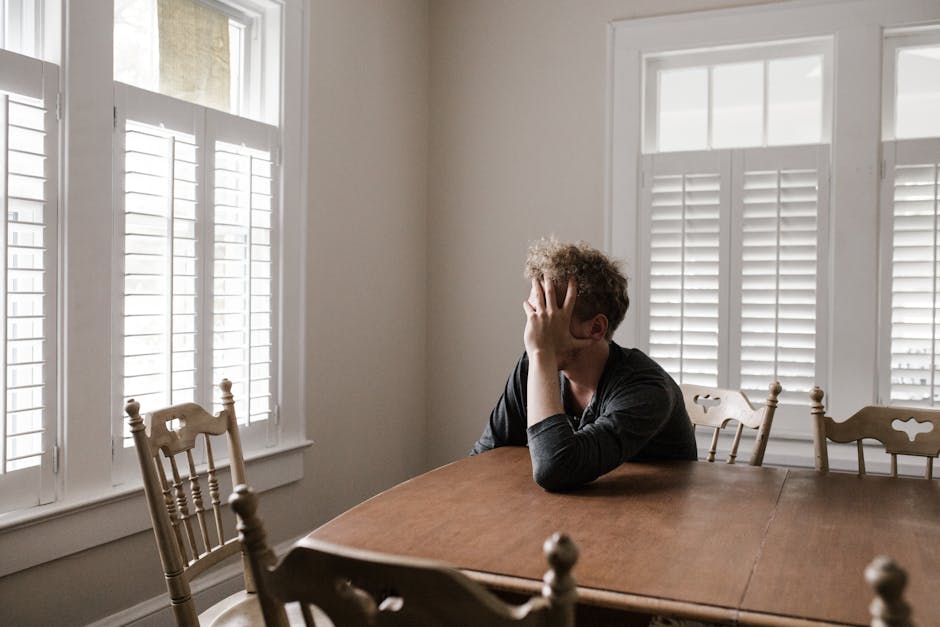
When sex does happen, it may become mechanical. The Lowdown and Becky Moller both describe rushed, perfunctory encounters with less foreplay or oral sex. He may stop making his usual sounds or moves. The sex becomes a task completed rather than a shared experience.
Avoidance behaviours often sit alongside the sexual signs. He may go to bed at different times, overwork, spend extra time with mates, or scroll his phone instead of engaging with you. The Lowdown and Becky Moller both note these patterns. Any single sign on its own proves little. The pattern and duration matter more than one instance.
What does his body language around me actually mean?
Closed-off posture, avoiding eye contact, and seeming distracted during conversations can all signal emotional as well as physical distance. The Lowdown reports that avoiding eye contact can harm sexual connection because it indicates a partner is not fully present. Paired adds that taking phone calls or making no physical contact during conversations are related signs.

Hiding his body often points to body image or self-esteem issues rather than rejection of you. He may change behind a closed door, wear a t-shirt during sex, or not want you to undress him. The Lowdown states that body image and weight are linked to low self-esteem and sexual confidence. This behaviour is usually about how he feels in his own skin.
Irritability and impatience during ordinary interactions frequently accompanies a deeper problem. Paired notes that small disagreements may escalate into larger arguments more frequently. Physical presence with emotional absence is a distinct pattern described by Becky Moller. He is in the room but not really with you.
Is he just stressed, or is something else going on?
Stress is one of the biggest drivers of reduced libido across all genders, and it is the most common innocent explanation. The Lowdown describes stress as one of the biggest factors in decreased libido and desire for sex. A demanding job, financial pressure or family strain can all suppress desire without any loss of attraction.
Low mood, anxiety or poor mental health can show up first as lost sex drive, sometimes before any other symptom is noticeable. The Lowdown reports that losing sex drive could be an early sign of depression, anxiety, a relapse, or generally poor mental health. The bedroom becomes the first place where the change appears.
Common medications suppress libido. According to The Lowdown, many antidepressants such as SSRIs, antihistamines, beta blockers and some blood pressure medicines are known to negatively affect libido. A medication review can sometimes identify a reversible cause.
Physical factors are real too. The Lowdown states that men who have had Covid-19 are around 20% more likely to experience erectile dysfunction. Body image and weight are also linked to low self-esteem and sexual confidence, which affects desire. These are health issues, not judgements about you.
How long does a dip in desire have to last before it’s a problem?
A short lull after illness, a stressful work period or a bereavement is normal and usually self-correcting. The Lowdown and Becky Moller both describe temporary dips as ordinary. One off night or a difficult fortnight is not a relationship crisis.
A long stretch with no mutual desire, especially when nobody is talking about it, is the stronger indicator that something fundamental has shifted. Becky Moller describes months without mutual desire as a strong signal. The research pack does not establish a fixed clinical threshold in weeks or months. Treat duration as a prompt to start a conversation rather than a diagnosis.
What matters as much as length is whether he is willing to acknowledge and discuss it. Becky Moller notes that a long stretch without communication is more concerning than the absence of sex itself. Silence about the issue often says more than the issue.
Does this mean he’s lost attraction to me, or is it low libido?
The signs overlap heavily, and the sources do not offer a reliable way to tell low libido apart from lost attraction from the outside. The Lowdown, Paired and Becky Moller all list similar behaviours for both possibilities. The difference usually becomes clear only through conversation.
Underlying causes listed across the sources include emotional disconnection, stress and burnout, self-protection after being hurt, unresolved relationship issues, and loss of attraction. Becky Moller groups these as the common drivers. Most are relational or health-related rather than a simple verdict on your appeal.
Loss of interest in you specifically tends to show up alongside wider disengagement. Paired lists cancelling plans, no compliments, forgetting important dates and avoiding future plans as signs of diminishing interest. When the whole relationship feels neglected, attraction may be the issue.
General low libido tends to show up as avoidance of sex while affection and shared life remain largely intact. The Lowdown and Becky Moller describe this pattern. He still hugs you, plans time together and talks, but sex drops away. If he refuses to talk about it at all, or gets defensive and denies there is an issue, that avoidance is itself informative.
What should I do if he keeps avoiding the conversation?
Validate your own experience first. Noticing a sustained change is not you being needy or imagining things. Becky Moller recommends validating your experience before doing anything else. A pattern you have observed over weeks is real data.
Open a non-accusatory conversation about intimacy, framed around the relationship rather than his performance. Becky Moller advises a safe, non-accusatory dialogue. Saying “I miss feeling close to you” lands differently from “why don’t you want me anymore”.
Prioritise emotional safety so he can talk about stress, shame or health without feeling attacked. Becky Moller lists emotional safety as a key step. Many men find it hard to discuss low desire because it clashes with cultural expectations.
Watch for deflection patterns. Changing the subject, dodging sexy texts, or refusing introspection are all described by The Lowdown, Paired and Becky Moller. Name them gently rather than pushing harder. Consider supportive help such as a couples therapist or coach, and look after your own wellbeing in parallel.
When should he see a doctor about low sex drive?
Persistent erectile difficulties, or a loss of desire that continues for months with no clear cause, warrants a GP conversation. The Lowdown frames this as a reasonable step when the pattern is sustained. A doctor can assess physical and psychological factors together.
Ask about a medication review. The Lowdown notes that SSRIs, antihistamines and some heart medications are known libido suppressors. A change in dose or drug can sometimes restore desire.
Mental health should be screened too. The Lowdown reports that lost sex drive can be an early sign of depression or anxiety. The research pack does not cover how low testosterone is tested or what referral pathways exist, so this article does not speculate on hormone testing or clinical thresholds.
Key Takeaways
- A drop in a man’s sexual interest is common and does not automatically mean he has stopped being attracted to you.
- The most reliable single sign is that he stops initiating sex and everyday physical affection such as kissing, hugging and holding hands.
- Deflecting your advances, changing the subject when sex comes up, and going to bed at different times are avoidance patterns rather than proof of anything on their own.
- Stress, poor mental health, body image issues and common medications such as SSRIs and beta blockers are frequent and often reversible causes.
- Men who have had Covid-19 are roughly 20% more likely to experience erectile dysfunction.
- General low libido tends to look like sex avoidance while affection and shared life continue, whereas lost attraction usually comes with wider disengagement such as cancelled plans and no compliments.
- A long stretch without mutual desire, especially with no communication about it, is a stronger signal than any single behaviour, and a GP visit is reasonable if it persists for months.