
Recent Posts


There is no single reliable sign of a cheating woman. The behaviours commonly listed, such as sudden affection, defensiveness, routine changes and secrecy, are guilt-adjacent patterns rather than proof. Most have innocent explanations, and the sources behind popular lists are largely anecdotal rather than empirical. Readers should weigh sustained patterns over one-off moments before drawing any conclusion.
Table of Contents
- What signs do people most commonly list for a cheating woman?
- Why do guilt and affection get linked in these lists?
- What does it mean if she turns suspicion back on you?
- Can a changed routine really indicate cheating?
- How reliable are these signs, and how often do they occur without cheating?
- Do these signs differ between men and women?
- What should you actually do if you notice these signs?
- Key Takeaways
- References
What signs do people most commonly list for a cheating woman?
The most commonly listed signs cluster into recognisable groups: sudden emotional warmth or over-affection, gift-giving and “guilt spending”, heightened interest in your day, defensiveness when questioned, routine changes, secrecy, mood shifts and changes in intimacy. These clusters appear across multiple popular sources, though with different labels and framings.
The video source “When Women Cheat, They Always Leave These 7 Clues” frames its first clue as “sudden emotional warmth”, where guilt shows up as affection rather than genuine feeling. The video was uploaded by Olivia Alexa on 12 April 2026 and had 293,649 views and 6,930 likes at the time of scraping, according to Olivia Alexa.

The Medium article “When Guilt Speaks Without Words: 10 Behaviors Cheating Women Can’t Hide” lists “She Becomes Overly Affectionate”, “She Starts Buying You Gifts” and “And Pretending to Care Even More About Your Interests” among its behaviours, according to Mts. The Psych Central piece “10 Signs of a Cheating Spouse” includes changing behaviour, being more secretive, mood changes and changes in intimacy, according to Sarah Barkley.
The lists overlap heavily. That overlap reflects shared internet folklore as much as shared observation, since the same behaviours circulate across platforms with little independent verification.
Why do guilt and affection get linked in these lists?
Guilt and affection get linked because the sources assume a compensatory mechanism: a cheating partner overcorrects with warmth, gifts and attention to manage internal discomfort. The theory is intuitive, but it is not backed by the evidence these sources provide.
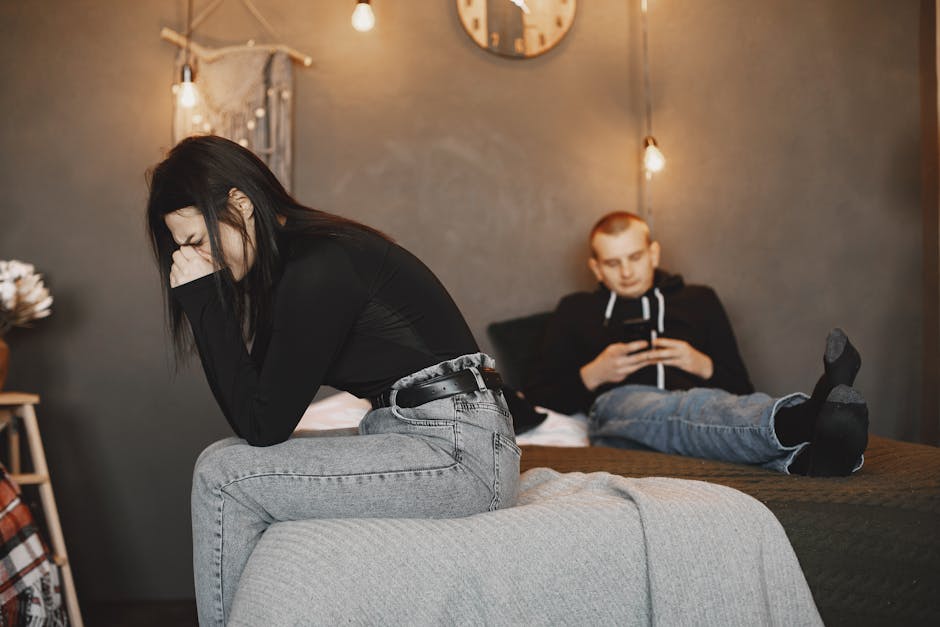
The video source frames “sudden emotional warmth” as guilt rather than love, suggesting that affection functions as a cover for wrongdoing, according to Olivia Alexa. The Medium article makes the same attribution, describing sudden affection as guilt-driven and labelling gift-giving as “guilt spending”, according to Mts.
Neither source cites empirical studies, sample sizes or data to support the guilt-to-affection mechanism. Peer-reviewed work on guilt does not straightforwardly predict gift-giving or over-affection as an infidelity signal. Guilt can produce avoidance, apology or rumination, and its behavioural expression varies widely by individual and context. The link between guilt and affection is therefore plausible as a story, but weak as a diagnostic tool.
What does it mean if she turns suspicion back on you?
It depends. Turning suspicion back on a partner can be deflection, but it can also be a genuine reaction to being distrusted. The behaviour is common in relationships with no infidelity present, so it should not be read in isolation.
The video source lists “turning suspicion back on you” as its fourth pattern, describing a partner who frames you as distant or insecure when questioned, according to Olivia Alexa. The Medium article covers the same ground under “She Gets Defensive Easily”, citing reactions such as “Why don’t you trust me?”, according to Mts. Psych Central includes accusing you of cheating among its signs, according to Sarah Barkley.
There are two competing readings. Deflection can conceal wrongdoing by shifting the emotional burden onto the accuser. But defensiveness is also a normal response when someone feels unfairly monitored. A partner under stress, or one who has experienced past accusations, may react the same way without any infidelity.
Can a changed routine really indicate cheating?
Sometimes, but a changed routine is among the weakest signals. Work demands, caring responsibilities, health issues and stress all produce the same pattern, often without any relationship problem behind them.
The video source describes “consistency used as a cover” as its third pattern: the same overall schedule with small windows altered inside it, according to Olivia Alexa. The Medium article lists “Her Routine Suddenly Changes” and “She Gives You More Freedom” among its behaviours, according to Mts. Psych Central includes changing behaviour and increased secrecy, according to Sarah Barkley.
The video also lists “normalizing other men” as a related but distinct behaviour, where a partner mentions other men casually so their presence stops being questioned, according to Olivia Alexa. Routine shifts deserve attention only when they persist alongside other signals and lack an obvious external explanation.
How reliable are these signs, and how often do they occur without cheating?
The reliability is unknown. None of the sources offer a false-positive rate or base-rate data for infidelity, so no reader can know how often these behaviours appear in faithful relationships.
The Medium article claims its seventh sign is “the most recognizable” and that the author has seen it in almost every case, according to Mts. That is an anecdotal claim, not evidence. The Psych Central piece is medically reviewed by Lori Lawrenz, PsyD, and written by Sarah Barkley, but its publication date and the author’s credentials beyond the byline are not established, according to Sarah Barkley.
Every behaviour on these lists also appears in relationships affected by depression, stress, burnout or work pressure. A single sign should be treated as noise. Only a sustained cluster, observed over weeks rather than days, is worth a conversation.
Do these signs differ between men and women?
No, not according to the evidence presented. The sources are written specifically about women, but the behaviours listed are not sex-specific, and none of the sources present comparative data showing that these signs manifest differently by gender.
The video is titled around women and lists seven clues without comparative data, according to Olivia Alexa. The Medium article is framed around “cheating women” and its ten behaviours, according to Mts. By contrast, Psych Central’s title is gender-neutral, “10 Signs of a Cheating Spouse”, which undercuts the idea that these are female-specific tells, according to Sarah Barkley.
The gendered framing appears to be a content choice rather than a research finding. Readers should treat these behaviours as human patterns that can appear in any partner, regardless of gender.
What should you actually do if you notice these signs?
Do not confront a partner based on a checklist alone. Note patterns over time rather than reacting to single incidents, and consider whether stress, health or work pressures might explain what you are seeing.
An honest, non-accusatory conversation is the first step. Describe specific behaviours and how they make you feel, without assigning blame. If trust is already eroded, relationship counselling can provide a structured space for both partners to speak. Psych Central’s guidance frames these signs as prompts for reflection rather than proof, according to Sarah Barkley.
If the relationship has already ended or the reader is single again, Singles Warehouse is a UK dating site where members can meet new people, with profile and matching tools described on the site itself.
Key Takeaways
- There is no single reliable sign of a cheating woman; the commonly listed behaviours are patterns, not proof.
- The most-cited signs cluster around sudden affection, gift-giving, heightened interest in your day, defensiveness, routine changes, secrecy and intimacy shifts.
- The video source lists seven clues, opening with “sudden emotional warmth” framed as guilt showing up as affection.
- The Medium article attributes over-affection, gifts and increased interest to guilt, labelling gifts “guilt spending”.
- Psych Central’s gender-neutral “10 Signs of a Cheating Spouse” includes changing behaviour, accusing you of cheating, secrecy, mood changes and intimacy changes.
- None of the sources provide base rates, false-positive rates or empirical data for these claims.
- Every behaviour on these lists also occurs in relationships with no infidelity, often driven by stress, depression or work demands.