
Recent Posts
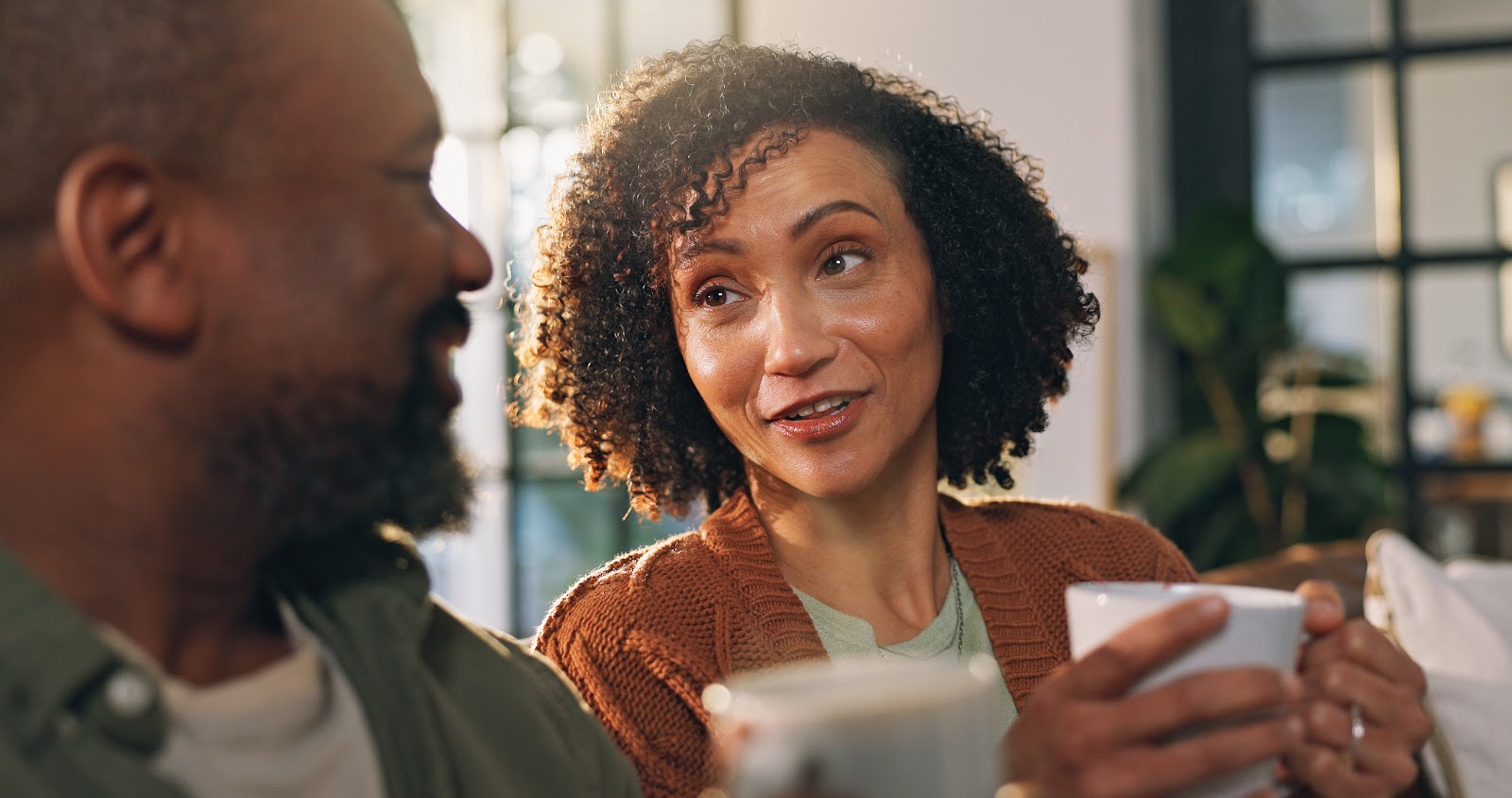

Chivalry often gets dismissed as a relic of a bygone age, yet the heart of it, treating someone with thoughtfulness and respect, has never gone out of fashion. When people search for examples of chivalry, they are usually asking a simple question: what small, genuine gestures still make a date feel cared for today? This guide shares modern, two way examples that work in real life, explains why they matter, and shows how to be chivalrous without being patronising or stuck in the past.
What chivalry means in modern dating
Originally chivalry described a medieval code of conduct for knights, but the version that matters now is far simpler. Today it means small acts of consideration that show you value the other person and their comfort. It is less about rigid rules and more about attentiveness, kindness and good manners.
Crucially, modern chivalry is not one sided or gendered in the old fashioned way. Anyone can be chivalrous towards anyone, and the best gestures flow in both directions. Stripped of its dusty associations, chivalry is really just thoughtfulness made visible, and that is something every healthy relationship thrives on.

Everyday examples of chivalry that still land well
The most appreciated gestures are often the smallest. Holding a door open, offering your coat when someone is cold, or walking on the road side of the pavement are classic touches that still feel warm when done naturally. Being punctual, putting your phone away during a date, and listening properly are quietly powerful too.
- Planning the date thoughtfully rather than leaving everything to chance.
- Offering your seat or making sure the other person is comfortable.
- Walking someone to their car, taxi or station at the end of the night.
- Texting to check they got home safely.
- Remembering small details they mentioned and acting on them.
None of these require grand expense or old fashioned formality. They simply signal that you are paying attention and that the other person’s comfort matters to you, which is exactly what makes them land so well.
Why these gestures still matter
In a dating culture that can feel rushed and careless, genuine consideration stands out dramatically. A thoughtful gesture communicates respect and effort in a way that words alone cannot, and it helps the other person relax and feel valued. That sense of safety and care is the foundation on which attraction and trust grow.
Chivalry also reveals character. The way someone treats a waiter, holds a door, or checks in after a date tells you a great deal about their kindness and reliability. Far from being superficial, these small acts are often early evidence of how a person will behave in a relationship. If you want to read the other signals of genuine interest, our does she like me quiz guide pairs nicely with this.
Chivalry that goes both ways
The modern update to chivalry is that it is no longer the sole job of one person. A woman can plan a date, offer to pay, or check a man got home safely, and it is just as gracious. The healthiest dynamic is one where both people look out for each other’s comfort rather than following a rigid script.
This mutual version feels far more natural and respectful than the old model. It allows each person to give and receive care, which builds genuine partnership from the very first date. When kindness is shared rather than performed by one party, it stops being a performance and becomes a sign of real compatibility.
How to be chivalrous without being patronising
There is a line between thoughtful and overbearing, and the key is consent and attentiveness. Offer rather than insist, and read the other person’s response. If you offer your coat and they decline, accept it gracefully rather than pressing. Chivalry should make someone feel respected, never managed or talked down to.
Avoid gestures that imply the other person is helpless, and skip anything that feels like a power play rather than genuine care. The aim is to add to their comfort and autonomy, not to take it away. Done right, chivalry feels like warmth and respect, not control, and that distinction is everything.
Mistakes that turn chivalry into a turn off
Good intentions can still misfire. Treating chivalry as a transaction, where gestures are offered with the expectation of something in return, drains them of all their charm. So does performing kindness only when you are trying to impress, then dropping it once you feel secure. People notice inconsistency quickly.
Another common error is being chivalrous towards a date while being rude to staff or strangers, which instantly reveals the gesture as hollow. Real consideration is consistent and unconditional. If your manners switch off the moment no one is watching, they were never really chivalry, just theatre.
Bringing chivalry into a long term relationship
Chivalry should not vanish once the early dates are over. In fact, keeping these small kindnesses alive is one of the quiet secrets of lasting relationships. Continuing to plan thoughtful surprises, listen attentively, and look out for your partner’s comfort keeps a relationship feeling valued long after the honeymoon phase fades.
Over time, chivalry matures into everyday thoughtfulness, the cup of tea made without being asked, the lift offered on a rainy day, the genuine interest in how their week went. These are the gestures that tell a partner, again and again, that they still matter to you. For broader guidance on nurturing a relationship, the charity Relate offers thoughtful advice.
How chivalry has changed over the generations
It helps to understand why chivalry feels different now than it did for our grandparents. The old model was built around clearly divided roles, where one person provided and protected while the other was looked after. Those gestures made sense within that world, but they can feel awkward or even condescending when lifted into a relationship between equals.
What has survived the shift is the underlying spirit rather than the specific rules. People no longer expect a partner to follow a rigid etiquette, but they still light up at being considered, remembered and cared for. The modern version simply removes the assumptions about who should do what, and keeps the warmth. Seen this way, chivalry has not died at all, it has grown up, becoming a shared language of respect that suits the way couples actually live today.
There is also something freeing in letting go of the scorekeeping that old fashioned chivalry could encourage. When you stop worrying about who opened which door or who paid last time, and simply focus on being kind because you want to, the gestures feel lighter and more sincere. Generosity offered without a tally behind it is the kind your date will actually remember, because it asks for nothing in return and tells them they are genuinely valued.
Teaching yourself everyday thoughtfulness
If consideration does not come naturally, the good news is that it is a skill you can practise rather than a trait you are simply born with. Start by paying closer attention on dates, noticing when the other person seems cold, tired, or uneasy, and responding to it. Small observations, followed by small actions, quickly become second nature with a little repetition.
It also helps to ask yourself a simple question before and during a date: what would make this easier or nicer for them? That single habit naturally generates dozens of thoughtful gestures without any need for a script. Over time, you stop thinking of chivalry as a set of moves to remember and start experiencing it as a genuine way of caring about the person in front of you, which is exactly where its quiet power comes from.
Frequently asked questions
Is chivalry outdated in modern dating?
Not at all, though its meaning has evolved. The old gendered rules feel dated, but the core idea of treating someone with thoughtfulness and respect is timeless. Modern chivalry is mutual, consensual and based on genuine care rather than rigid tradition.
What are simple examples of chivalry on a first date?
Planning the date, being punctual, putting your phone away, listening properly, and making sure the other person feels comfortable all count. Small touches like walking them to their transport and texting to check they got home safely are warmly received too.
Can women be chivalrous too?
Absolutely. Modern chivalry flows in both directions. A woman planning a date, offering to pay, or looking out for her partner’s comfort is just as gracious. The healthiest relationships involve both people showing each other consideration rather than one following a script.
How do I avoid seeming patronising when being chivalrous?
Offer rather than insist, and pay attention to the response. If a gesture is declined, accept it gracefully. The goal is to add to someone’s comfort and respect their autonomy, never to imply they cannot manage on their own.
Ultimately, the best examples of chivalry are simply kindness in action, and a little genuine thoughtfulness will always make a date feel special, whatever the century.